Seller Mistakes That Cost You Money: Pricing, Timing, and Honesty
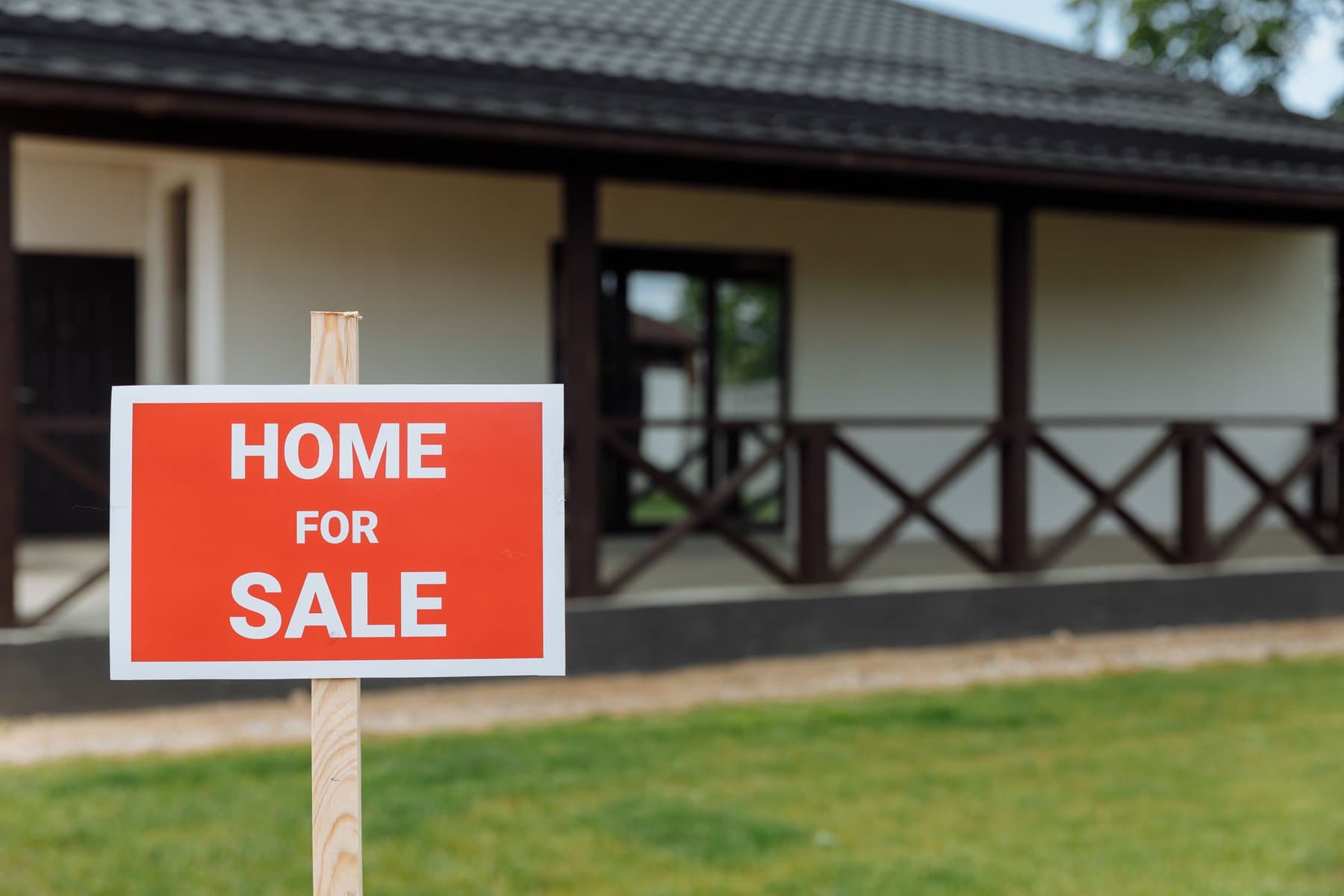
Selling a home isn't complicated, but it's easy to get wrong in ways that cost real money — sometimes tens of thousands of dollars, sometimes just a slower, more stressful process than it needed to be. I've watched sellers make the same handful of mistakes over and over, on homes that should have sold quickly and for a good price. Almost all of them come down to the same root cause: emotion or wishful thinking overriding what the market is actually telling you. Here are the four mistakes that cost sellers the most, and how to avoid every one of them.
Mistake #1: Pricing Too High
This is the big one, and it's almost always driven by emotion rather than data. You know what you paid, what you put into the kitchen remodel, what your neighbor swears their house sold for. None of that is what a buyer is willing to pay today, and buyers don't care about your renovation budget — they care about comparable sales. Price your home 5-10% over market value and here's what actually happens: it sits. The first two weeks of a listing get the most traffic and the most serious buyers it will ever see, and if the price scares people off during that window, you don't get a second first impression. Buyers and their agents start asking "what's wrong with it" the longer it sits, even when nothing is wrong with it at all — the extended days-on-market number itself becomes a red flag that has nothing to do with the actual house. Eventually you cut the price anyway, except now you're chasing the market down instead of leading it, and buyers can see the full price history on Zillow — they know you started high and got desperate, and they negotiate accordingly. The homes that sell fastest and for the most money are priced accurately from day one, based on what comparable homes actually closed at in the last 30-60 days, not what similar homes are currently listed for and hoping to get.
Mistake #2: Not Preparing the Home
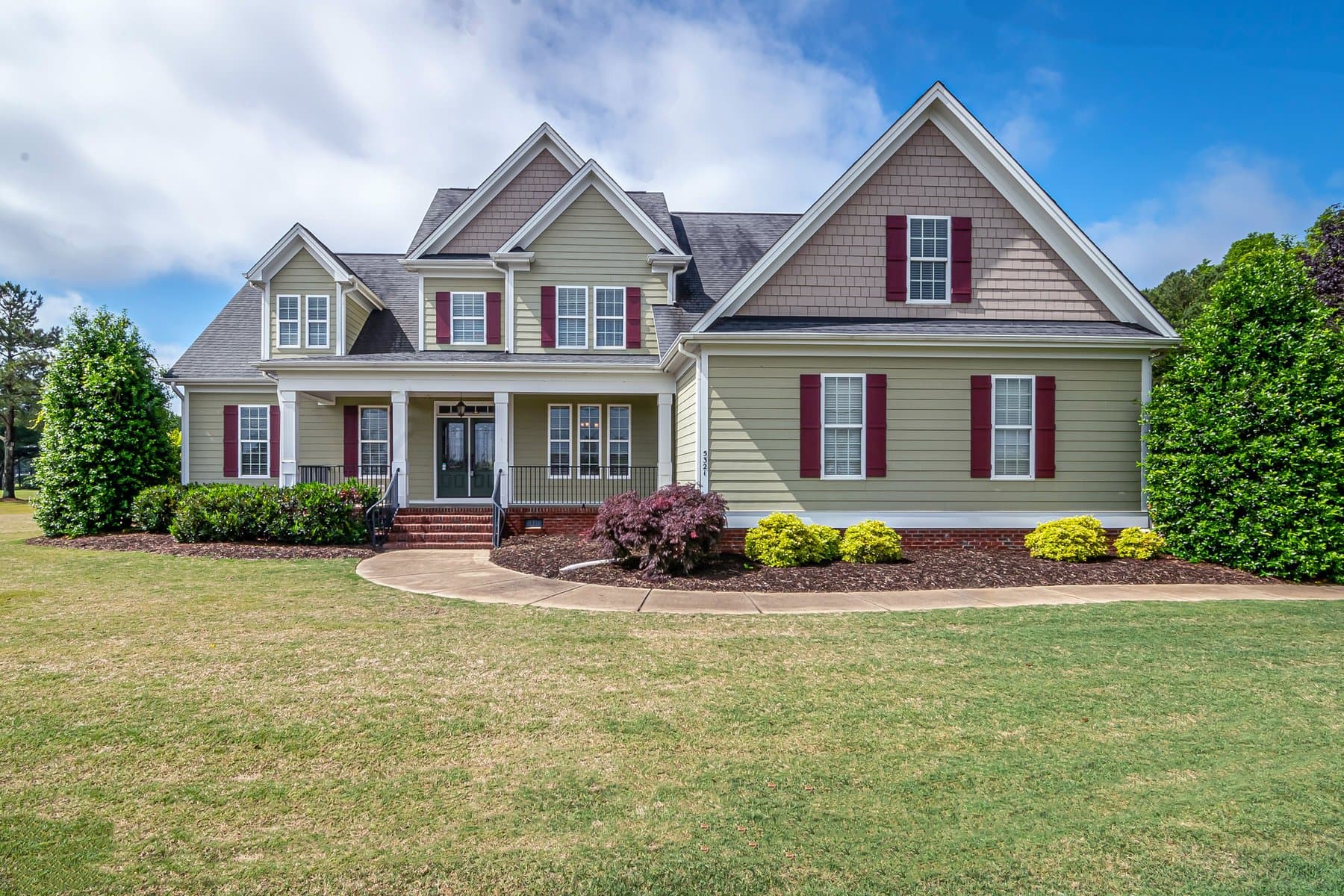
You don't need a renovation. You need buyers to walk in and picture themselves living there, and clutter, personal photos, and neglected curb appeal all get in the way of that. Curb appeal comes first, because a lot of buyers decide how they feel about a home before they're even out of the car — a pressure-washed exterior, fresh mulch, and a clean front door go a long way for very little money. Inside, declutter aggressively, deep clean everything, and depersonalize: family photos and bold paint colors make it harder for a buyer to imagine the space as theirs instead of yours, even if your taste is great. Small, cheap fixes — a fresh coat of neutral paint, fixing that one cabinet door that doesn't close right, replacing burnt-out bulbs, clearing out the garage — consistently return more in sale price than they cost, and they photograph better too, which matters more than most sellers expect once professional listing photos go up. Skipping prep to save a weekend of work is one of the most expensive shortcuts a seller can take.
Mistake #3: Picking the Agent Who Promises the Highest Price
This one doesn't get talked about enough, and I think sellers deserve to hear it straight: when you interview agents, the one who quotes the highest number isn't necessarily the one who knows your home's value best. Sometimes they're just the one who wants the listing the most. It's called "buying the listing" — promise a number well above market to win you over in the interview, get the sign in the yard, and then start walking that number down with price cuts once it doesn't sell. By the time you cut the price twice, you've lost the crucial first-two-weeks window and buyers are wondering what's wrong with the house, even though the only thing wrong was the original number. If you interview three agents and get three wildly different price estimates, that spread is telling you something — ask each one to show you the actual comps behind their number, not just the number itself. An honest agent will show you what genuinely sold, not what's currently hoping to sell, and price your home to move, even when that number is less exciting to hear during the listing consultation than the one that flatters your expectations.
Mistake #4: Not Disclosing Issues
Buyers will find things during inspection. They always do — no house is perfect, and pretending otherwise just delays the problem instead of avoiding it. If you disclosed everything upfront, honestly and completely, you're in a strong negotiating position when the inspection report comes back, because there are no surprises and no leverage for the buyer to renegotiate the whole deal over something you already told them about. Hide something and get caught later — during inspection, during appraisal, or worse, after closing — and you're looking at a canceled deal at best and a lawsuit at worst, plus the time and cost of relisting. Indiana disclosure law exists for a reason, and it protects honest sellers just as much as it protects buyers. The honest path is also, genuinely, the easier one, even when it doesn't feel that way in the moment.

The Bottom Line
All four of these mistakes share the same fix: work with someone who will tell you the truth even when it's not what you want to hear, price the home to what the data actually supports rather than what feels fair, put in the modest prep work that actually moves the needle, and disclose everything up front instead of hoping it won't come up. None of that is complicated, and none of it requires a big budget. It just requires resisting the urge to hope the market will agree with your feelings — because it won't, and the sooner you price and prepare based on reality, the faster and better your sale goes.