Rental-Property HELOCs Just Hit a Four-Year High. Here's Why Investors Are Using Them Instead of Refinancing

New lending data out this month shows something I've been seeing anecdotally for a while: investors borrowed against their rental properties in a big way last year. Lenders originated 27,183 HELOCs on investment properties in 2025, worth $10.4 billion combined, and the average line size — $384,000 — ran roughly two and a half times larger than the typical owner-occupied HELOC. That share of all HELOC activity climbed to a four-year high, up 47% from the 2023 low. This isn't a fringe strategy anymore. It's become one of the more common ways repeat investors are funding their next deal while the 30-year rate sits near 6.85%.
Why a HELOC Instead of Just Refinancing
The logic here is pretty simple once you see it laid out. A lot of investors — myself included, on part of my own portfolio — are sitting on first mortgages in the 3% range from a few years ago. Refinancing that loan today to pull cash out means giving up the whole rate on the entire balance, not just the portion you actually want to access. A HELOC lets you leave that 3% first mortgage untouched and borrow a second position against the equity instead, even though HELOC rates are running higher, typically 8-9% right now. You're paying a higher rate, but only on the amount you draw, and only for as long as you carry a balance. Blended against a 3% first mortgage, the effective cost of capital on the whole position is still often lower than what a full cash-out refinance at close to 7% would run you.
What Investors Are Actually Doing With the Money

Most of the time, it's the down payment on the next acquisition, or the gap between a purchase price and a DSCR loan's max leverage. Some of it goes toward renovation costs on a value-add deal where the improved property will refinance out at a higher appraised value later. A smaller amount goes toward operating reserves — a genuinely underrated use, since a HELOC sitting untouched as a backstop for a vacancy stretch or a surprise repair costs you nothing until you actually draw on it. What I'd push back on is treating a HELOC like free money for a deal that doesn't already pencil on its own. It's a financing tool for a good deal you can't otherwise reach, not a way to make a mediocre deal look better.
The Trade-off Nobody Skips Past on Purpose
A HELOC on a rental is a lien against a property that isn't your home, secured by equity you built, and it's usually a variable rate — which means your payment moves if rates move, and right now the trend has been up, not down. If the rental that carries the HELOC has a rough stretch — a longer vacancy, a tenant who stops paying, a repair bigger than the reserve covers — you're carrying two payments against one asset with less room to absorb the shock. I've used this structure myself and I still underwrite it conservatively: I want the underlying property's cash flow to cover its own first mortgage on its own, with the HELOC payment funded separately, not baked into the same rent check as a given.
What This Looks Like in Hamilton County
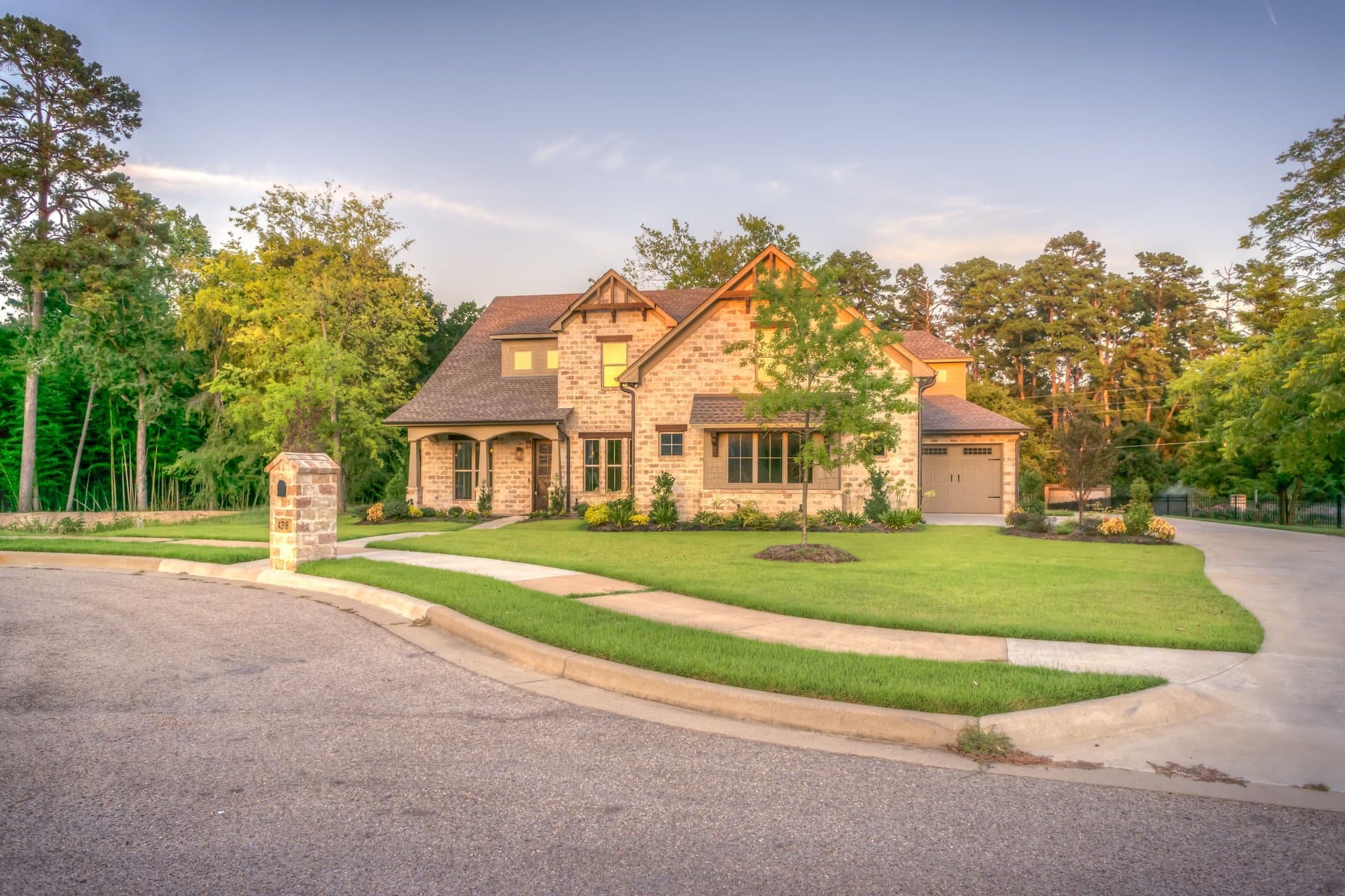
Say you bought a Fishers rental four or five years ago for $280,000 with a 3.1% rate, and it appraises today closer to $400,000. That's roughly $150,000-$170,000 of equity a lender might let you tap into, depending on their max combined loan-to-value — most cap it well short of 100%, often around 80-85% combined. Draw $60,000 of that at 8.5% to cover the down payment gap on a second Noblesville property, and you've kept the original 3.1% loan intact while putting appreciation you already earned to work on a new deal. That's the appeal in a market like ours, where five years of price growth in Hamilton County has built real equity into properties bought well before rates climbed — the strategy works better here than it does in markets where prices have been flatter.
Is This the Right Move for You
If you've got real equity in a rental and a low rate on the first mortgage you don't want to disturb, a HELOC is worth a serious look before you assume a cash-out refi is your only path to the next deal. If you're newer to investing and don't yet have that equity cushion, or the property you'd be borrowing against is already running thin margins, I'd hold off — stacking a variable-rate second lien onto a property that barely covers itself is exactly the kind of leverage that looks fine until one bad month. Either way, run the numbers on the specific property before you run them on the next one you want to buy with it.
Sitting on Equity You Haven't Put to Work?
Let's look at what you've actually got in your portfolio and whether tapping it makes sense for the next deal — or whether it doesn't yet.
Talk Investment Strategy