41% of Sellers Are Cutting Their Price Right Now. Here's How to Not Be One of Them

As of the first week of August 2026, 41.44% of active single-family listings nationally had at least one price cut on record, according to data HousingWire published this month. A year ago that number was 41.85%. In other words: after two years of everyone assuming the market would loosen up and price cuts would ease, the needle barely moved — less than half a percentage point. If you're thinking about selling and hoping the market has quietly gotten easier for sellers since last summer, the data says it hasn't. It's basically the same fight for leverage it was a year ago, and that changes how you should think about your listing price from day one.
The National Number Hides a Local Story
Here's what makes this data more useful than a headline stat: the same report broke it down by metro, and the spread between markets is enormous. Kansas City actually improved for sellers — price cuts fell from 42.57% to 35.12% as inventory rose 21% but buyers absorbed it, with pending sales up 5.4%. San Antonio went the other direction hard, with price cuts climbing from 44.31% to 50.68% even though inventory barely grew, because new buyer activity there dropped 9%. Two metros, both with rising or flat inventory, completely different outcomes — because one had demand to match the supply and one didn't. The lesson isn't "the market is bad" or "the market is fine." It's that national averages tell you almost nothing about what your specific listing needs to do to sell, and anyone pricing your home off a national headline instead of what's actually closing in your neighborhood is guessing.
What This Looks Like Here in Hamilton County
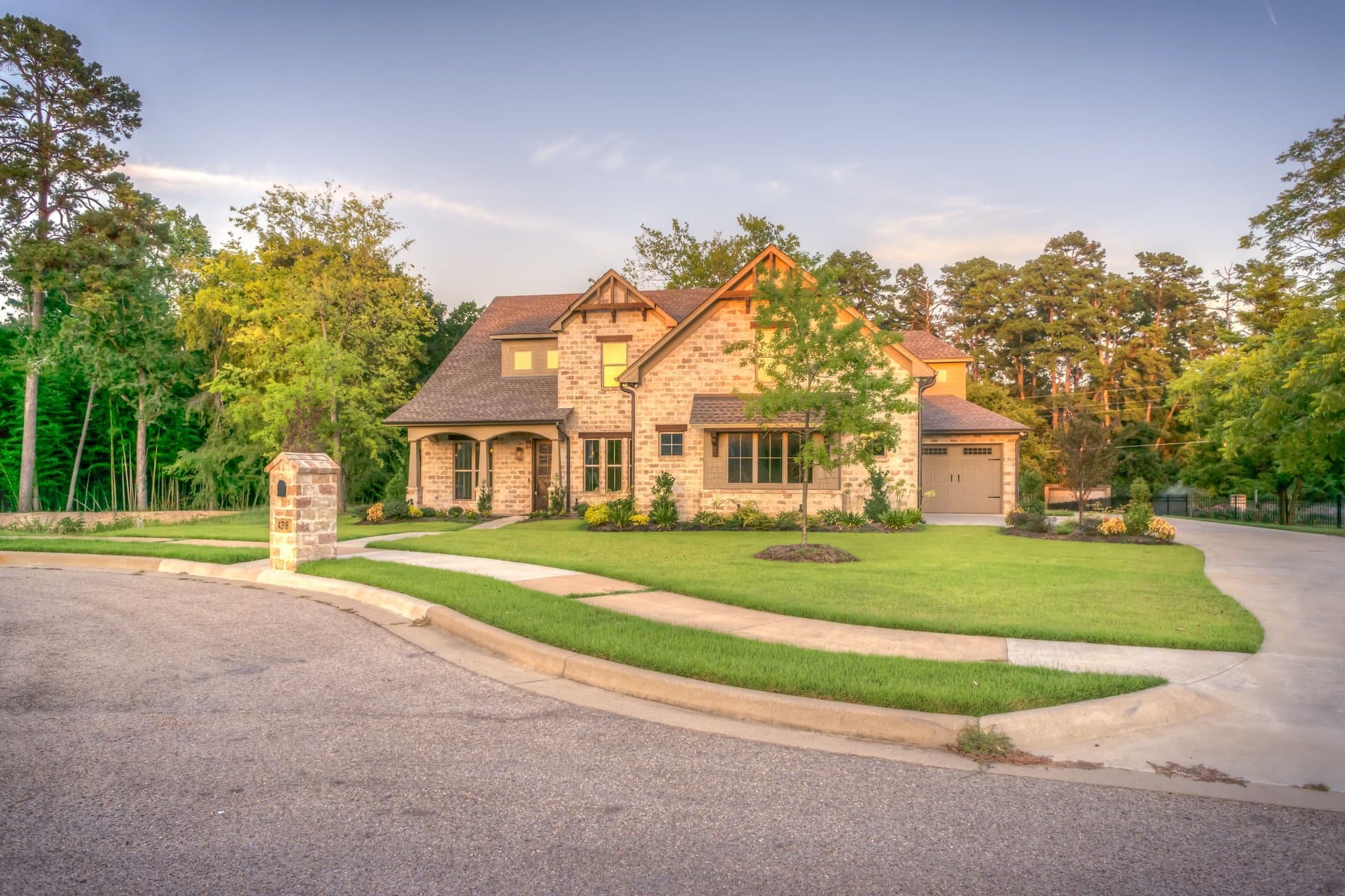
Locally, the trend lines up with what buyers' agents in Fishers, Noblesville, and the rest of Hamilton County have been saying most of this year: buyers have more negotiating room than they did during the 2021-2022 run, inventory has climbed off its floor, and homes that are priced even a little aggressively are sitting instead of getting bid up. That doesn't mean it's a bad time to sell — well-priced, well-prepared homes in good McCordsville and Fishers school districts are still moving at a reasonable pace. It means the "price it high, we'll negotiate down" approach that worked when there were eight offers on everything just doesn't work the same way anymore. Buyers here have options this year, and they're using them.
Why a Price Cut Costs You More Than the Cut Itself
A price cut isn't just a smaller number — it's a signal, and buyers read it. Once a listing sits long enough to need a reduction, buyers and their agents start asking why, even when the honest answer is just "it was priced a little high." The listing's days-on-market count keeps climbing in the background the whole time, and that number follows the listing on every site a buyer looks at. By the time you cut, you've usually lost the most valuable window a listing ever has — the first two to three weeks, when it's new, algorithms favor it, and buyers assume nothing is wrong with it yet. A home priced right on day one and a home that gets cut to that same number three weeks later do not sell the same way, even though they end up at the identical price. The first one looks like a good deal. The second one looks like a home nobody wanted.
Pricing Right, Starting With What Actually Closed
Getting the number right starts with comparable sales that actually closed in the last 30-60 days — not what similar homes are currently listed for and hoping to get, and not what your neighbor claims they sold for at a backyard barbecue. In a market where price-cut rates can swing 15 points between two metros with similar inventory growth, the only way to know which situation your street is actually in is to look at absorption: how fast are homes like yours actually going under contract right now, this month, not last spring. That's a data pull I run before every listing consultation, and it's worth asking any agent to show you the actual comps behind their number rather than taking the number on faith — especially the highest number you hear, since that's sometimes the agent telling you what gets the listing signed rather than what the market will actually pay.
The Smarter Move Than a Price Cut: Concessions
If your home has been sitting and you're tempted to cut, consider a concession instead of a straight price reduction — it can solve the same problem without the days-on-market stigma. With mortgage rates still hovering in the mid-6% range this year, a lot of buyers are more sensitive to their monthly payment than to the sale price itself. Offering a few thousand dollars toward a rate buydown or closing costs, instead of knocking the same amount off the list price, can make a buyer's monthly payment noticeably lower while your listing price — and the signal it sends — stays exactly where it was. It's a smaller lever, used earlier, instead of a big one used late.

The Bottom Line
The market didn't get dramatically better or worse for sellers this year compared to last — it stayed a fight for leverage, and the metros and neighborhoods that win that fight are the ones where sellers priced accurately from the start instead of testing the market with a number they liked better. Get the comps right, price to what's actually closing instead of what's currently listed, and if you do need to sweeten a deal, reach for a concession before you reach for a price cut. That's how you end up on the right side of that 41% number instead of inside it.
Want a Price Based on What's Actually Closing?
I'll pull the real comps for your street — not a guess, not a number designed to win the listing — and tell you honestly where it should be priced to sell without a single cut.
Get a Home Valuation