Rates Just Hit a One-Year High. Here's How to Price Your Fall Listing So It Doesn't Sit

The 30-year fixed rate closed the first week of September sitting at 6.69-6.71%, according to Zillow and Freddie Mac — the highest it's been since June 2025. If you're gearing up to list this fall, that's not background noise. It landed right as the calendar handed sellers what's traditionally a decent window: more serious buyers, less competition from other listings, and a real shot at closing before the holidays. A rate spike into that window doesn't mean fall selling season is dead. It means the math changed, and pricing has to reflect it — especially if you were planning to list at what a similar house sold for back in May, before any of this happened.
What Actually Pushed Rates Up
Two things collided. First, a global bond selloff pushed the 10-year Treasury yield higher, and mortgage rates track that closely. Second, Fed Chair Kevin Warsh gave a speech traders read as more hawkish than expected — he said inflation running above the Fed's 2% target means "the Fed's predominant focus right now should be on prices," and Wall Street took that as a signal the Fed could actually raise rates at its mid-September meeting instead of cutting them. As of this week, traders are pricing something close to 50-50 odds on a quarter-point hike. That's a genuinely different setup than the "rates will ease by fall" story a lot of buyers were banking on this summer, and it's worth sitting with that uncertainty honestly instead of pretending anyone can call which way the Fed goes.
Why This Puts More Pressure on Your Asking Price
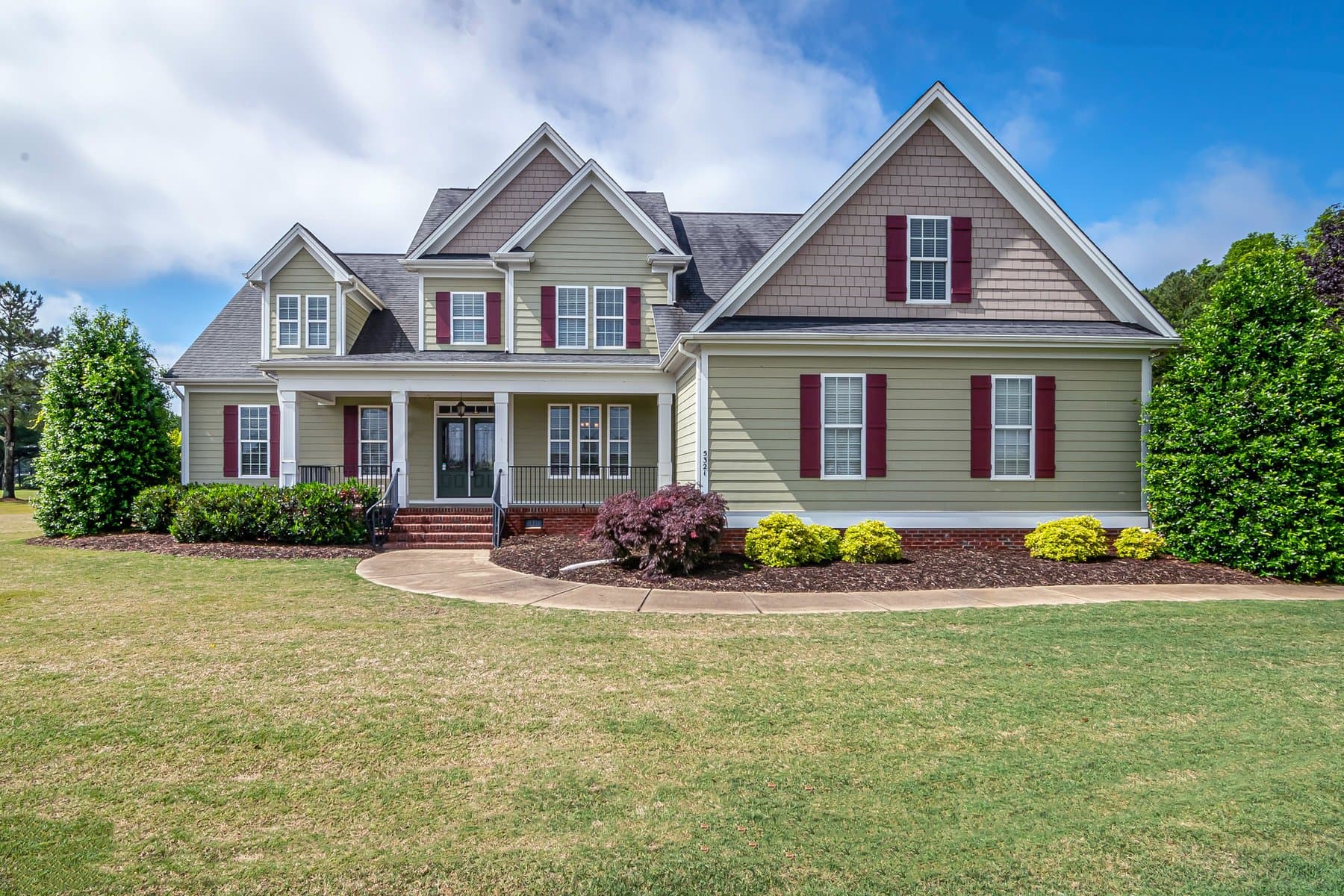
Higher rates squeeze what buyers can actually afford to offer, full stop. And this is landing on top of a market that already had more room in it than it did a year or two ago: national inventory hit roughly 1.42 million homes in July, up 4.4% year-over-year and more than 40% higher than three years back. Homes are sitting an average of 56 days before selling, and closing at about 97% of original asking price. Every one of those numbers points the same direction — toward buyers having more leverage to negotiate, not less. A rate spike layered on top of that doesn't create a new problem so much as sharpen one that was already building through the summer.
There's also a slower-moving signal worth watching: pending home sales fell year-over-year in July for the first time since November 2025, snapping an eight-month streak of gains. That's not a crash by any stretch — it's one data point, not a trend line yet — but it lines up with everything else here pointing toward a market that's cooling from where it was in spring, not heating back up. If you priced your listing off a spring comp and buyer traffic feels slower than you expected, that's probably not your house. It's the market underneath it shifting while you weren't looking.
The Midwest Isn't Immune
Nationally, the picture is uneven. The South and West have actually been converging back downward on price cuts, while the Midwest and Northeast are showing emerging softness — Midwest price-cut rates are now running about 0.8 percentage points above where they sat a year ago. That regional split matters if you've been reading only the national headlines and assuming your listing is protected because "prices are still up almost everywhere." They are, in roughly two-thirds of markets tracked nationally — but the trend line in our region is pointing toward more competition among sellers, not less, and that's exactly the environment where an overpriced listing sits and stales instead of selling.
How I'd Price a Hamilton County Listing Right Now
None of this means panic-price your home. It means price it to what's actually closing, not what you wish it would close for. Pull the last 60 days of real comps on your specific streets — not the zip code, not "similar homes," the actual comps around you — and price to that, not to last spring's numbers or what your neighbor listed for, as opposed to what they actually sold for. If you're on the fence between two price points, the move that keeps working, even though it feels backwards, is going with the lower one: it tends to generate more showings and more competing offers in the first two weeks, which is when a listing gets the most attention it will ever get. A home that lists high and sits 40-plus days almost always nets less than one priced right from day one, because buyers watching days-on-market treat that number as an invitation to lowball.
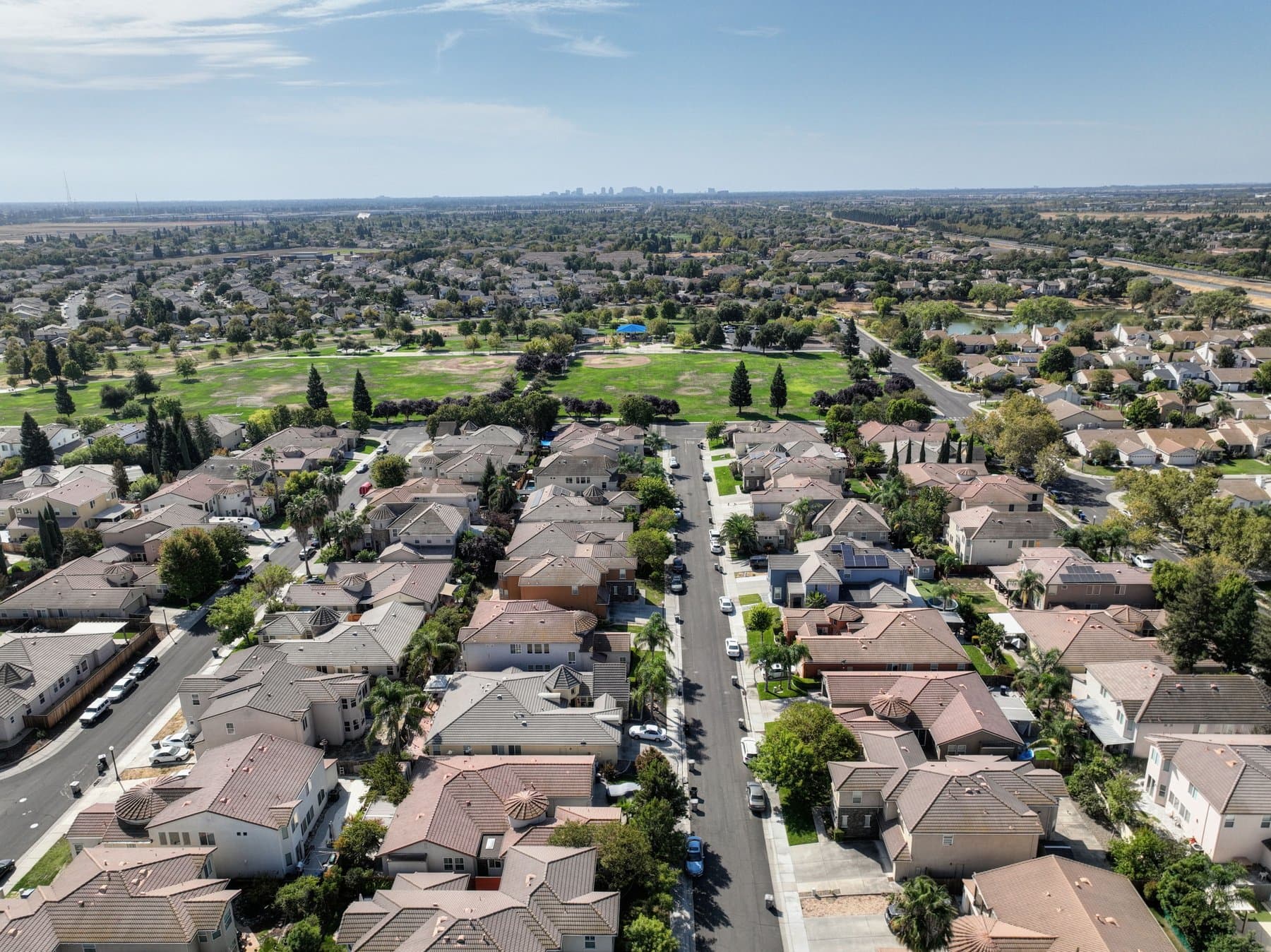
Say you're listing a $450,000 colonial in Fishers or Noblesville this month. If the last three genuinely comparable closings on your street ran $435,000-$445,000, listing at $459,000 because "the market can bear it" is the exact move that turns into a price cut in three weeks — and buyers researching your listing will see that cut and read it as leverage before they even walk in. Listing at $439,000-$444,000 instead, right in the range of what's actually closing, puts you in front of every buyer who's pre-approved at that number and creates the kind of first-weekend competition that gets you closer to (or past) asking than an inflated number ever would. It feels counterintuitive to price toward the low end of the comps on purpose. It's also the version that tends to net more.
The Bottom Line
Rates jumping to a one-year high right as fall selling season opens isn't the outcome anyone wanted, and I'm not going to pretend it makes listing easier. But it doesn't change what actually gets a home sold in a market like this: real comps, honest pricing, and getting in front of buyers while the listing is still fresh instead of chasing the market down after it sits. If you're weighing whether to list now or wait out the Fed's mid-September meeting, I'd rather walk through your specific numbers with you than guess at what the Fed does next.
Not Sure What Your Home Is Actually Worth Right Now?
Comps shift fast when rates move this much. Let's run a real valuation on your home based on what's actually closing near you — not last spring's numbers — so you list at the number that gets it sold.
Get My Home Valuation