Rates Just Climbed to 6.76%. Here's Why Buyers Still Have More Leverage Than the Headline Suggests

The 30-year fixed rate closed the first week of September 2026 at 6.76%, up from where it sat most of August. Bankrate's latest survey of industry experts has 83% predicting rates keep climbing from here, with several naming a "7-handle" as a real possibility before the quarter's out, mostly on the back of oil prices and Treasury yields moving with renewed geopolitical tension overseas. If you've been waiting for a number that makes this obviously easier, that headline doesn't help you. But here's what I think gets lost every time rates move: the rate is only half the story right now. The other half — how much actual leverage you have as a buyer — has shifted more than most people realize. It just hasn't shifted evenly, and knowing where you're standing matters more than the national number does.
The National Story: Buyers Have More Room Than They've Had in Years
Nationally, there are roughly 1.42 million homes for sale right now, up 4.4% from a year ago, with the typical home sitting on the market 56 days and supply running around 4.7 months. That's meaningfully looser than the tight, multiple-offer environment buyers were fighting through a few years back. Seller concessions — rate buydowns, closing-cost credits — have gone from a negotiating ask to standard practice in a lot of markets. In Phoenix, for example, more than half of homes priced $200,000-$600,000 now include some form of concession. The advice you'll see everywhere right now is "buyers have the leverage." That's true. It's just true unevenly, and treating it as a blanket fact is where I see people misjudge their own negotiating position.
Why Hamilton County Doesn't Match That Headline
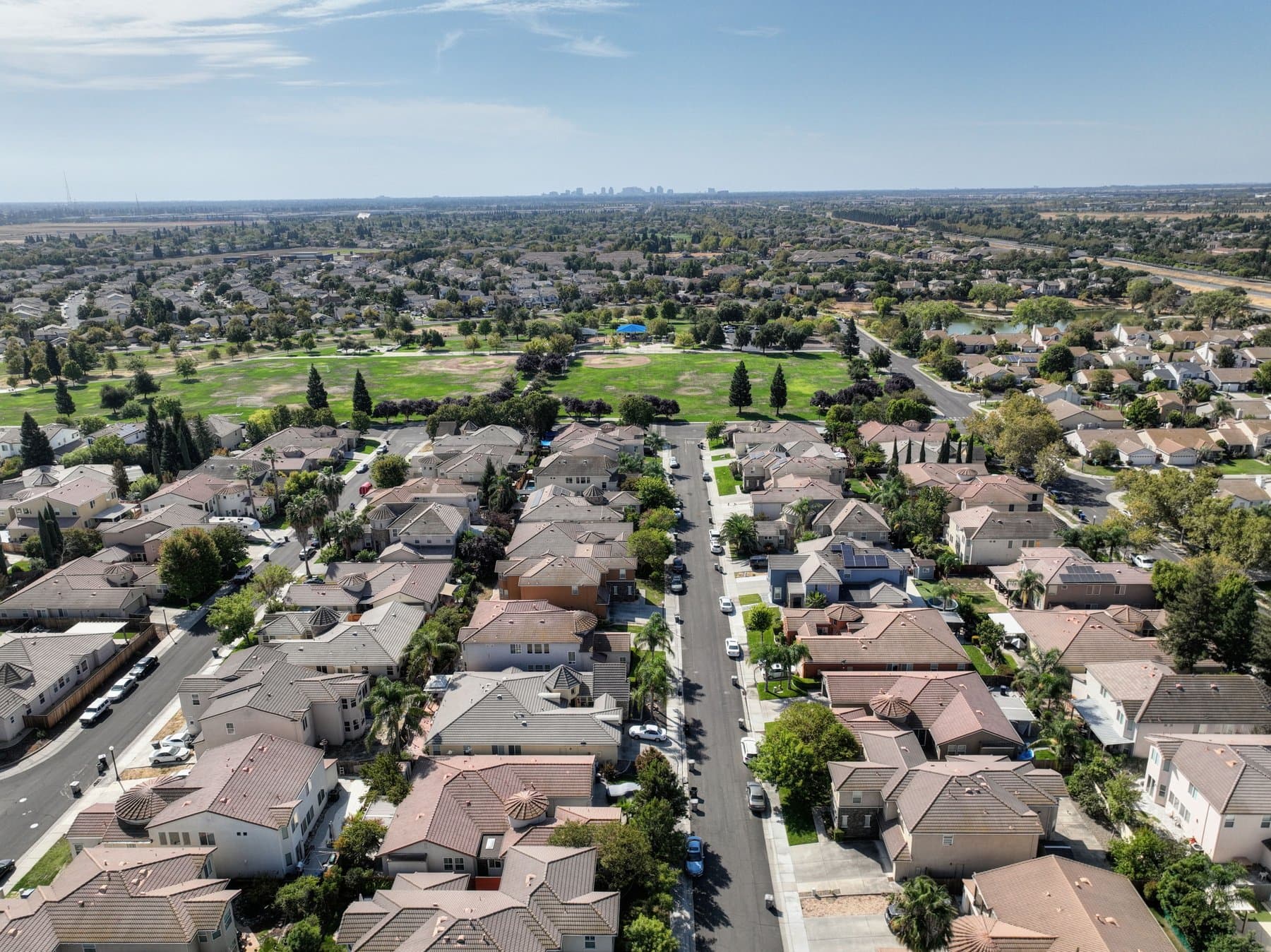
Indianapolis, as of the most recent data, is still scoring a 72 out of 100 on Redfin's Compete Score — that's a seller's market, not a buyer's one. The typical home here goes pending in about 21 days, homes are selling for roughly 98.3% of list price on average, and around 22% are still closing above asking. None of that looks like the national "buyers finally have room" story you're reading in the headlines. This is exactly the gap that trips people up: they read a national buyer's-market article, walk into a well-priced Fishers or Noblesville listing expecting room to negotiate, and get outbid by someone who didn't read the same article. The leverage is real. It's just not evenly distributed, and Hamilton County right now leans tighter than the national average, not looser.
What Real Leverage Actually Looks Like Right Now
Even inside a tighter local market, leverage still exists — it just concentrates in specific listings instead of spreading across the whole market. The listings actually worth negotiating hard on are the ones sitting 45-60+ days, the ones that have already taken a price cut, and the ones in a price bracket or floor plan that's moving slower than the county average. A freshly listed, well-priced home in a popular Fishers school zone is still going to draw competition regardless of what the national rate story says. A similar home that's been sitting since July, in a less in-demand layout, is a completely different conversation. The mistake is applying one strategy — aggressive lowball, or conversely, full-price-no-questions — to every listing you look at. Days on market and price history should be the filter you're using, not the metro-level headline.
How to Use It Without Blowing the Deal
On a listing that actually shows leverage — sitting past 45 days, already cut once — asking for a rate buydown or a closing-cost credit instead of (or alongside) a price cut is often the smarter move, since it can lower your actual monthly payment more than an equivalent dollar knocked off the price. On a listing that's fresh, well-priced, and in a tight pocket of the county, that same aggressive ask is how you lose the house to the next offer. The other piece that matters more than people expect: being genuinely pre-approved, not just pre-qualified, so you can move fast the moment you find a property that actually fits either situation. Rates moving up doesn't change any of this math — it just makes getting the structure right (buydown vs. price vs. credits) worth more than it was when rates were lower.

The Bottom Line
Rates climbing toward 7% isn't good news, and I'm not going to pretend it is. But the buyers doing well right now aren't the ones waiting for a better rate — they're the ones who know exactly which listings in their search actually have room and which ones don't, and who negotiate each one accordingly. That takes real data on the specific homes you're watching, not a national trend piece. I own property in this market myself, and I still pull days-on-market and price history before I'd tell you to push on anything. It's the only honest way to know if you actually have leverage or just think you do.
Let's Find Out What Leverage Looks Like On Your Search
Send me the neighborhoods and price range you're watching, and I'll pull real days-on-market and price-history data on the listings that actually matter — not a general market report. You'll know where you have room before you write an offer.
Schedule a Buyer Consultation