Rates Are Stuck Near 6.6%. Here's Why More Investors Are Financing Around Them

The 30-year fixed rate closed out August 2026 sitting around 6.55-6.68%, and forecasters heading into September are mostly shrugging — Bankrate's latest survey has 57% of experts calling for rates to stay right where they are through the next week, with core inflation still running near 3.3% and the Fed's September meeting the next real catalyst. If you've been sitting on the sidelines waiting for a number that makes the math obviously easy again, I don't think it's coming soon. But here's what I'm actually seeing more of, both with my own properties and with clients: investors who've stopped waiting on the rate and started asking a different question — whether the loan itself is the right tool for the deal. That's pushing more attention toward DSCR loans, and it's worth understanding what they actually do before you assume they're either a magic fix or a gimmick.
What a DSCR Loan Actually Is
DSCR stands for debt service coverage ratio, and the whole idea is that the lender qualifies the loan on what the property itself earns, not on your personal income, W-2s, or tax returns. They're looking at one number: does the projected rent cover the mortgage payment, taxes, insurance, and HOA (if any), with some cushion left over? A ratio of 1.0 means rent exactly covers the payment; most lenders want to see 1.0-1.25 or better. No income verification, no debt-to-income calculation against your personal finances, no pay stubs. That sounds like a small technical difference, but for a certain kind of investor it's the entire ballgame.
Why That Matters More Than the Rate Does
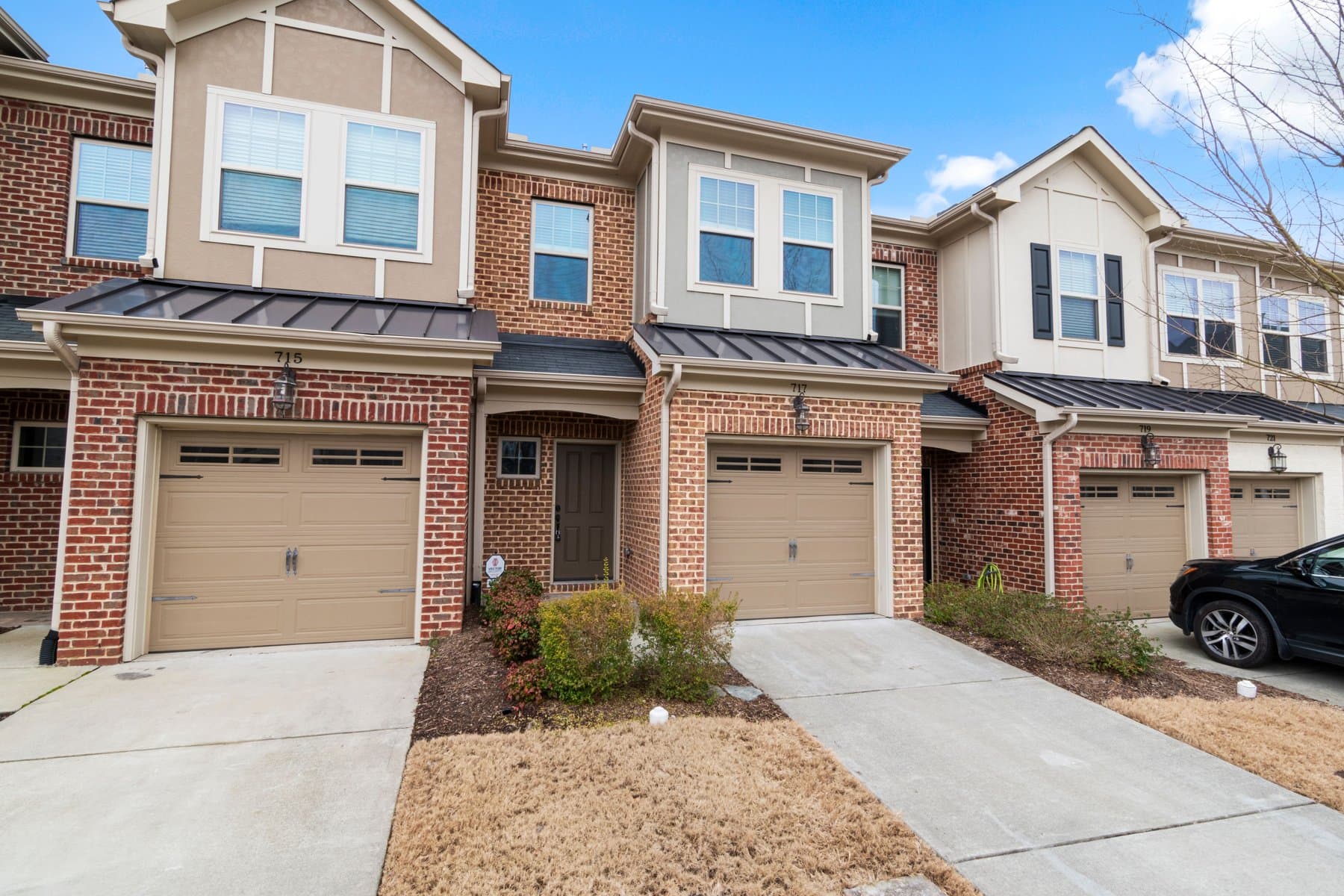
Here's the friction point that actually stops most repeat investors, and it usually isn't the interest rate — it's the debt-to-income ceiling. Conventional lenders count your existing mortgage payments against your personal income, and once you've got three, four, five financed properties, a lot of conventional programs simply stop qualifying you, regardless of how much equity or cash flow you've built. I've hit that wall myself on my own portfolio. A DSCR loan sidesteps it entirely because your personal DTI isn't part of the underwriting — the property either pencils on its own or it doesn't. That's why this shows up more with investors on their third, fourth, or tenth deal than on a first one: it solves a scaling problem, not a starter problem.
The Honest Trade-off on Rate and Terms
I'm not going to pretend DSCR loans are cheaper — most of the time they're not. Current benchmarks put domestic-investor DSCR rates around 6.1-6.5% depending on leverage: roughly 6.13% at 70% LTV, closer to 6.49% at 80% LTV. That's actually competitive with, and sometimes a touch below, conventional non-owner-occupied rates at the same leverage, but it's not a discount financing product, and foreign national investors are looking at closer to 7%. You'll also typically see a prepayment penalty in the first few years, sometimes a slightly higher minimum down payment, and closing costs that run a bit heavier than a conventional loan. None of that makes it a bad tool. It makes it the wrong tool if the only thing you're trying to solve for is the lowest possible rate on a single, straightforward deal — for that, a conventional investment property loan or, if you occupy part of the property, an owner-occupied program still usually wins.
What This Looks Like Around Hamilton County
Say you're looking at a Noblesville rental renting for $2,000 a month. Taxes, insurance, and a rough HOA estimate run $650, which leaves roughly $1,350 to cover the mortgage payment and still clear a 1.20 DSCR — that's the kind of number a lender is actually running before they touch your income at all. In a market like this, where inventory in the Fishers-Noblesville-McCordsville corridor has stayed tight enough that decent rentals lease quickly, that math tends to work more often than it does in slower rental markets — which is part of why I'm fielding more of these conversations locally, not fewer, even with rates where they are. It doesn't change the fact that you still have to run real comps, not hopeful ones, and account for a genuine vacancy allowance instead of assuming the unit rents the day it's listed.
Who This Is — and Isn't — For
If this is your first investment property, I'd generally point you toward conventional financing first — it's usually cheaper, and you don't yet have the DTI problem a DSCR loan is built to solve. If you're self-employed and your tax returns understate your real income after deductions, or you're scaling past the point where conventional lenders will keep counting new mortgages against you, a DSCR loan is worth a real conversation with a lender who closes them regularly, not one who does them occasionally as a side product. Either way, the rate headline isn't really the decision. The DTI math, the deal's actual cash flow, and what you're trying to build toward are.

The Bottom Line
Rates aren't moving in a way that rewards waiting right now, and I don't think that changes meaningfully before the September Fed meeting at the earliest. What I'd rather see investors do is stop treating the rate as the only lever and start asking whether the financing structure fits where they actually are in their portfolio. I own rental property myself, LTR and STR both, and I've financed deals both ways — conventional when it fit, DSCR when the DTI math didn't leave another option. Neither one is inherently smarter. The right one depends on your numbers, not the headline rate.
Not Sure Which Financing Actually Fits Your Deal?
Let's run the numbers on the property and your portfolio together, and figure out the structure that actually makes sense — not just the one with the lowest headline rate.
Talk Investment Strategy